
Hoppers
⭐️⭐️⭐️ 1/2
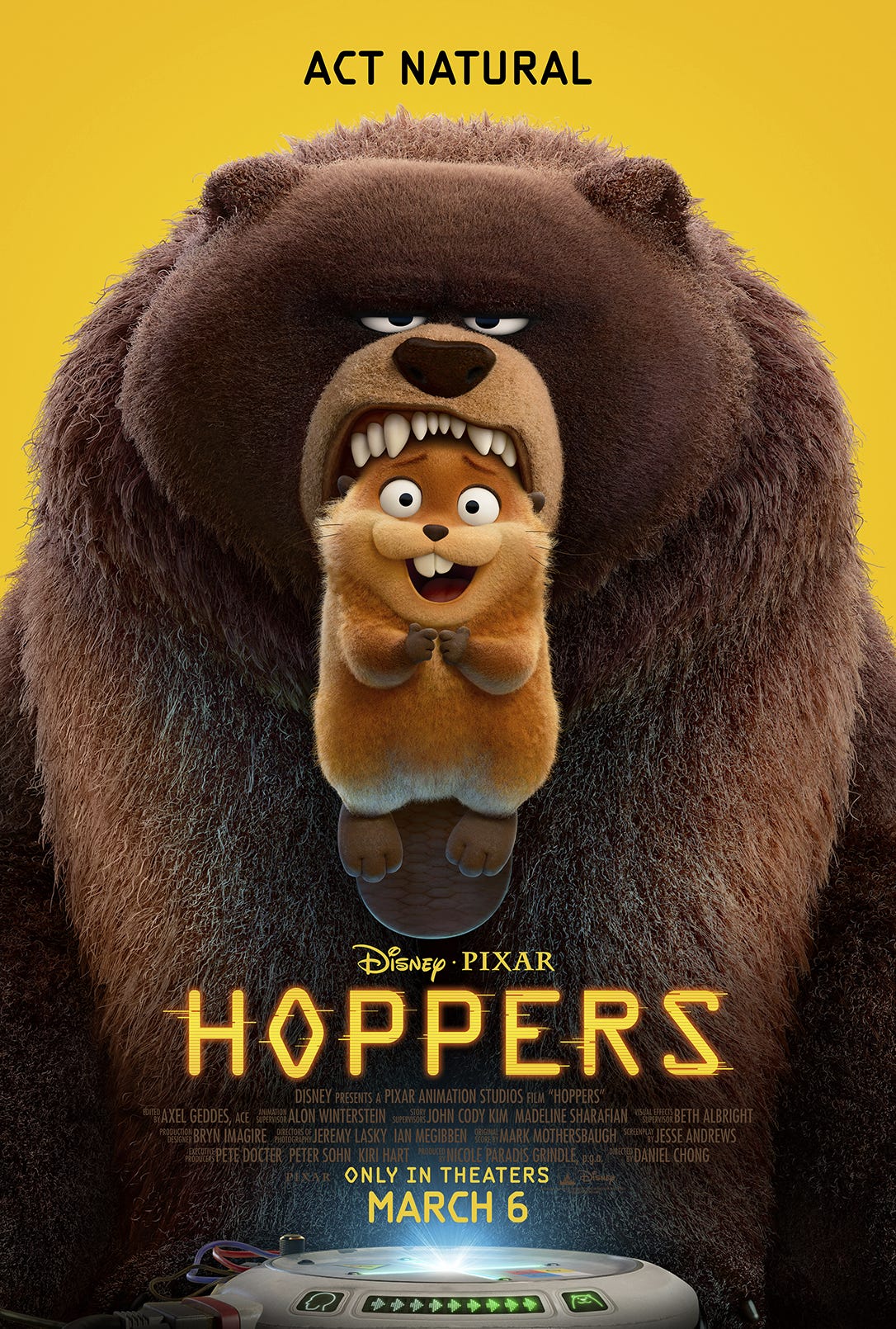
It’s no secret Pixar’s last few original releases lack the shine of their iconic films in their golden age. While I concede I haven’t watched them, Elio, Elemental, and Turning Red have exhibited little to no staying power in mainstream discourse. As a result, my expectations for Hoppers were mediocre, but after hearing positive reviews and feeling an itch for some Pixar magic, I decided to head to theaters to give Hoppers a chance.
Hoppers follows Mabel (Piper Curda), an eccentric college student with a love for nature, as she seeks to protect a local glade from her city’s latest construction project. When she stumbles upon a technology that allows her consciousness to be transported to a robotic animal, she takes it upon herself to utilize the technology in the hopes of saving the glade and its inhabitants. (Spoilers ahead!)
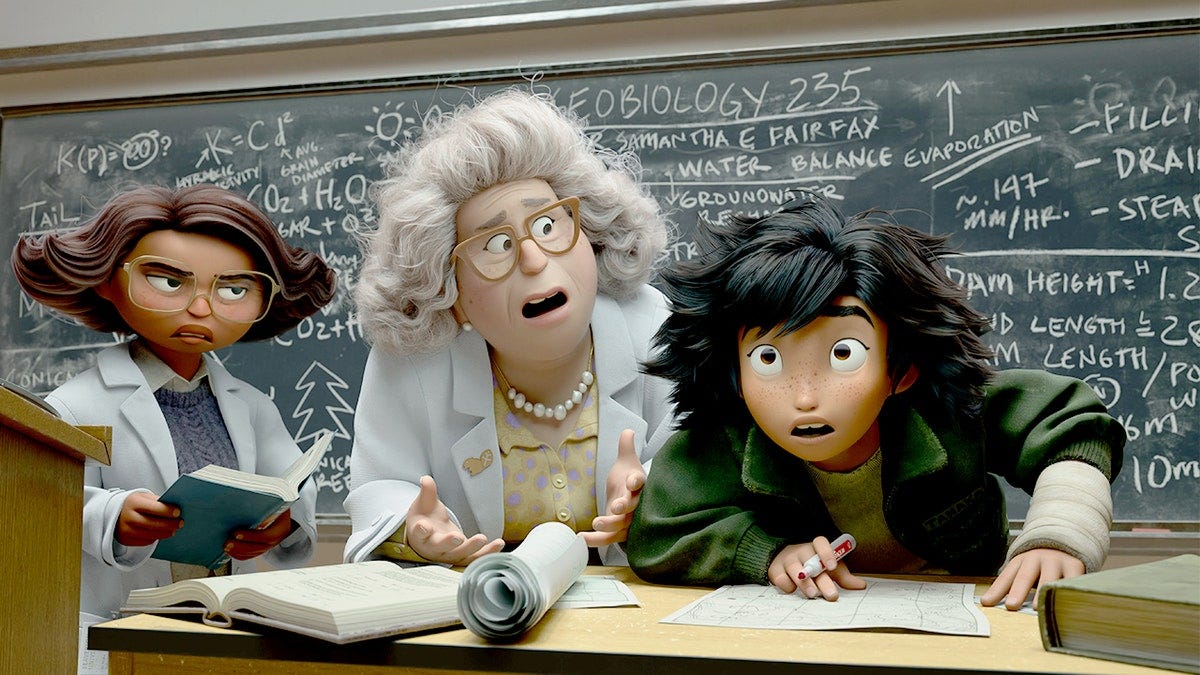
Hoppers is a very cute movie. I found myself smiling throughout most of the film’s runtime. It’s clear those behind the film cared about the film and it bleeds through in the film’s narrative, world building, and character design. To start, I loved the movie’s opening. Within five minutes, we understand our core protagonist. Mabel has a love of nature and she will resist the status quo to protect it at all costs, causing her to unleash some unintended consequences in the process. Her character design with a hairstyle that gives off a wild or untamed look, along with her cast and mismatched socks, further emphasize her connection with nature and her disregard for her own wellbeing and the status quo. The introduction of the glade’s significance and her relationship with her grandma was also done well in a montage I thought resembled the iconic montage from Up, though it fell a bit short in emotional impact in comparison. Jerry’s introduction as the film’s “antagonist” also comes in a humorous way. Within ten minutes, we have a fleshed out protagonist with a clear motivation and an inciting incident to put the film’s narrative in motion.
The film does a great job at elevating its conflict to the max. I was taught early on in screenwriting class to always think of the most plausible extreme your film’s plot can be escalated to, as it maximizes the stakes involved in your narrative, thereby gripping your audience’s attention. The film’s conflict starts simple: save the glade. We think that’s accomplished when Mabel dismantles the tree, but when the council is summoned following new trees being installed and Mabel kills the insect king (I audibly gasped when that happened, great unexpected moment from the film), our conflict is escalated to a new level. Not only do the animals all want to kill Jerry, now all the animals are after George and Mabel for this act of treason. The conflict is further escalated when the animals get ahold of hopping technology. Now we can’t only worry about Jerry’s demise, we have to be concerned of the demise of humankind. From scene to scene, there’s no letdown to the narrative’s momentum and the audience can’t look away as the film unfolds.
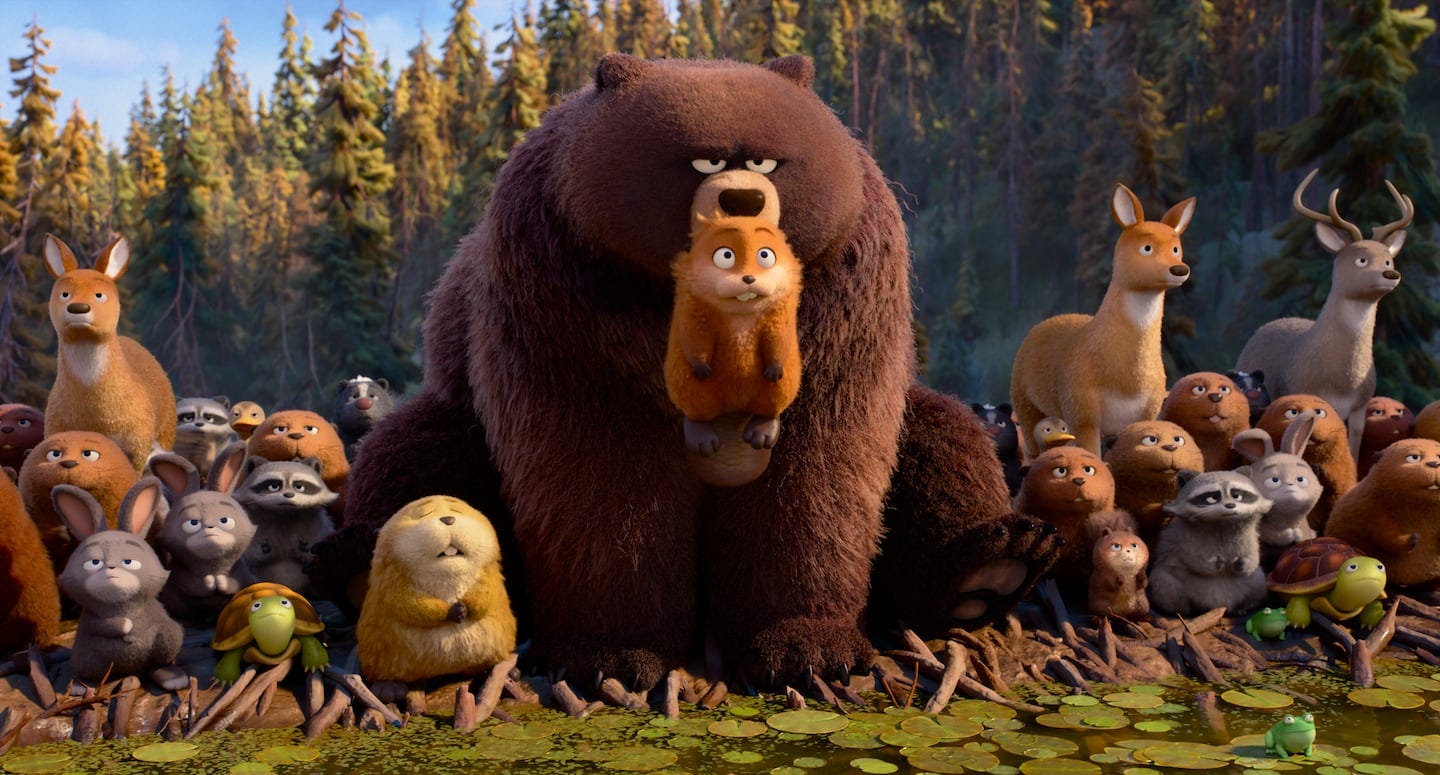
While I don’t think Hoppers finds itself as one of Pixar’s elites, I do think there are elements of the Pixar magic here. The film is genuinely funny for kids and adults alike. I also think it capitalizes on a similar point of intrigue the Zootopia franchise possesses: fleshed out animal worlds that resemble the human world and animals that retain human traits. The premise of animals behaving like humans lends itself to a baseline level of humor and silliness that the film fully leans into. Pairing the animals having human tendencies like gossiping or governing with the animalistic reality of untimely demises via predators leads to a level of absurdity you can’t help but laugh at.
Part of the Pixar magic involves delivering a relevant lesson that even adults can resonate with. I think Hoppers makes a valiant attempt at this, but falls a bit short. In today’s political climate, it’s easy to feel dread and feel overwhelmed by helplessness. There’s so much going on that a lot of us choose to turn a blind eye to or become desensitized to certain issues to protect our own sanity. The helplessness and loneliness Mabel feels resembles this state, so the film does a good job at striking a relevant and timely nerve. Yet, the movie’s narrative plays out relatively predictably, and our main character never needs to atone for the consequences of her actions. Mabel is conveniently forgiven for destroying Doctor Sam’s life’s work, almost murdering Jerry, and almost ruining George’s life. In the real world, acting with Mabel’s reckless abandon would not present us with the same room for forgiveness, making it difficult to apply the film’s message to our own lives. The message of trying to see where others are coming from and empathize with their perspectives has merit, but is a tired message that the film doesn’t truly add a unique perspective on. Due to this, I think Hoppers fails to stick the landing that would help it reach the “cultural icon” status some of Pixar’s earliest films have.
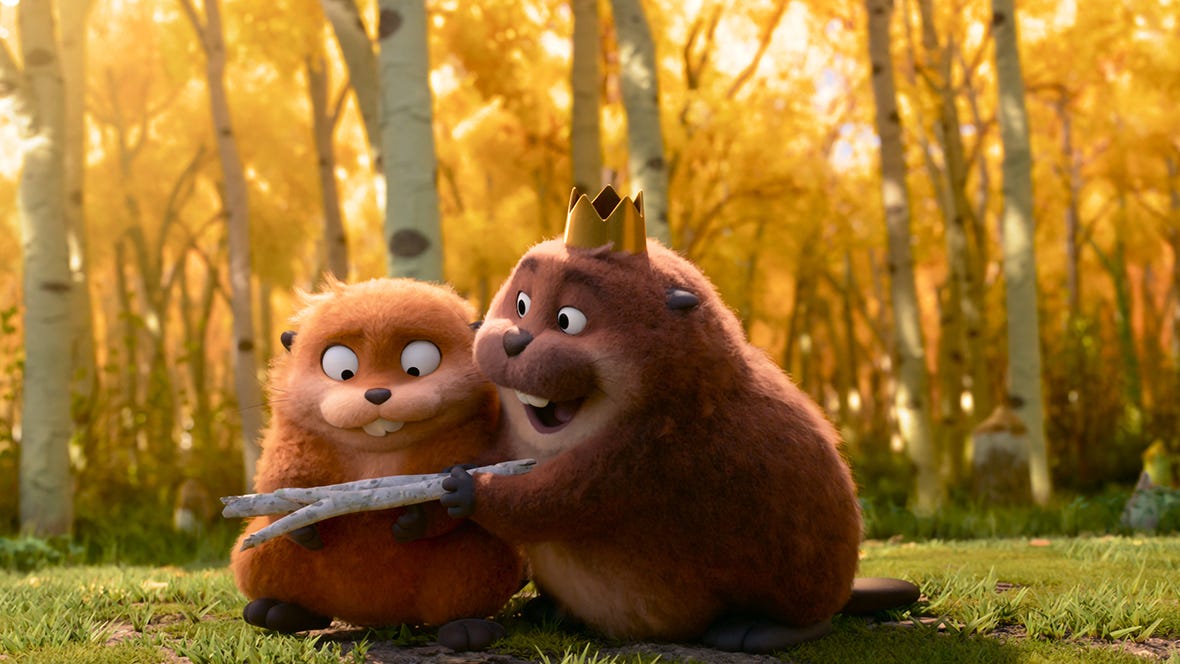
Overall, Hoppers is a welcome addition to Pixar’s catalog. One could argue the film lacks the depth, both in its characters and its underlying message, to assert itself among Pixar’s greats, and they would be correct. However, Hoppers brings a unique premise to life in an humorous and adorable way behind a strong screenplay that maximizes the film’s narrative. The film also gifts us multiple memorable moments possessing an actual impact on the narrative, setting it apart from other run of the mill movies. I had a great time with Hoppers and feel inclined to give it another watch some time down the line.